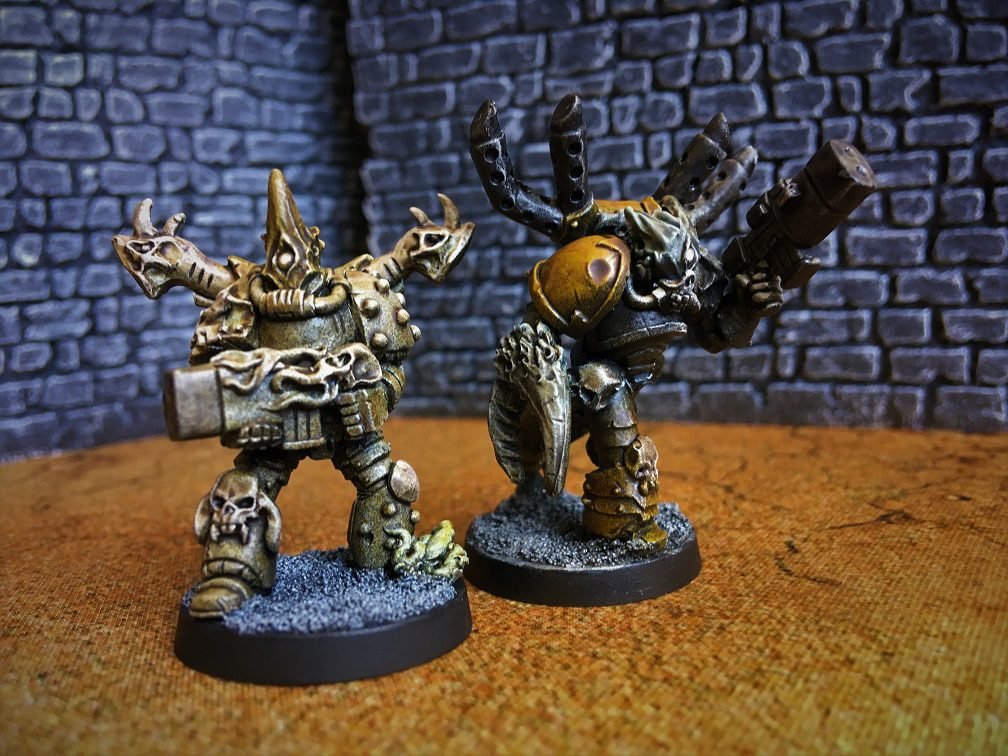
We make a return to playing Song of Blades & Heroes, one of the most simple and accessible skirmish games on the market. And, in this battle, we’re focusing on storytelling over points, fairness, and balance. The defenders can’t possibly win. But how well can they hold out against a huge Chaos force?
So why do many players prefer unbalanced, narrative scenarios over fair and competitive encounters?
After all, isn’t tabletop wargaming all about strategy, skill, and balance? Isn’t the whole point to test our tactical abilities against our opponents?
Sure, that’s definitely a big part of it. But it’s not the only part.
Unbalanced scenarios add a layer of excitement and unpredictability to the game. You never know what you might be up against in these scenarios. It could be a massive army against a small group of elite units, or it could be a guerrilla-style ambush on a convoy of tanks. These types of scenarios offer a unique challenge that can’t be replicated in a balanced game.
At its heart, tabletop wargaming is about storytelling. We create armies, paint models, and build terrain because we want to immerse ourselves in epic battles and heroic struggles. We want to feel like we’re part of a grand, sweeping narrative, with all the twists and turns and emotional highs and lows that come with it.
In a fair and balanced game, both players have equal opportunities to win, which means the game’s outcome is largely determined by skill and strategy. While that’s great, it can also become predictable and monotonous after a while. Unbalanced scenarios, on the other hand, keep the game fresh and exciting by forcing players to come up with creative solutions to overcome their disadvantage.
When we play a game that’s heavily weighted in favour of one side or the other, we’re not just trying to win. We’re also trying to tell a story. Maybe we’re playing out the final battle of a long and bitter war, with one side hopelessly outnumbered but fighting with desperate courage. Or maybe we’re staging a daring raid on an enemy stronghold, with the attackers outnumbered but relying on cunning and surprise to carry the day. Whatever the situation, it’s the narrative that drives us, not just the desire to win.
In an unbalanced scenario, the narrative becomes the driving force behind the game. Players can get lost in the story and become more invested in their army’s fate, which adds to the overall gaming experience.
Of course, this kind of approach isn’t for everyone. Some players prefer the purity of a perfectly balanced, competitive encounter, where victory is determined solely by skill and strategy. And that’s totally fine! There’s nothing wrong with wanting a fair fight.
But for those of us who crave a bit more drama and excitement, unbalanced scenarios are where it’s at. We get to take risks, try crazy tactics, and see our armies perform feats of heroism and bravery that would be impossible in a strictly balanced game. We get to tell stories that are full of tension, surprise, and drama – stories that stick with us long after the game is over.
Finally, unbalanced scenarios can be a great leveller. They allow newer players to compete against more experienced players on a more level playing field. When a scenario is unbalanced, the outcome is not determined solely by the players’ skill level. Instead, it’s about how well they can adapt to the challenges presented by the scenario. This can give newer players a fighting chance and motivate them to keep playing.
Miniature painting has many benefits, including stress relief, artistic expression, and the satisfaction of seeing your work come to life. In our ultimate guide to painting miniatures, we’re going to cover how to get started, what you’ll need, and how to keep on growing and improving. First things first, though – let’s kick off with some reasons why you might want to consider it as your next hobby.
Creative Outlet
Miniature painting is a great way to express your creativity and bring your imagination to life. Whether you’re painting a fantasy creature or a historical figure, you have the opportunity to make it your own and put your personal touch on it.
Stress Relief
Painting miniatures can be a great way to unwind and de-stress after a long day. It’s a meditative process that allows you to focus on something other than the stresses of everyday life.
Fine Motor Skills
Miniature painting requires a steady hand and a lot of attention to detail, which can help improve your fine motor skills. It can also help improve your hand-eye coordination and spatial awareness.
Community
There’s a vibrant community of miniature painters out there, both online and in person. Joining a group or forum can provide you with inspiration, support, and feedback on your work.
Gaming
Many people who paint miniatures do so as a way to enhance their gaming experience. Painting your own game pieces can make the game more immersive and personal.
Collecting
Miniature painting can also be a great way to start a collection. Whether you collect historical figures, fantasy creatures, or anything in between, there’s a miniature out there for everyone.
What Do I Need to Paint Miniatures?
Let’s get to the first part of our “how to”, then. What exactly are you going to need to paint up your first few miniatures?
Miniature Paints
Of course, you’ll need some paint! There are many different brands and types of paint out there, but for beginners, I’d recommend starting with acrylic paint. It’s water-soluble, dries quickly, and is generally more forgiving than other types of paint. Some popular brands of miniature paint include Citadel, Vallejo, and Reaper.
Brushes
Once you’ve got your paint, you’ll need something to apply it with. Most people use paintbrushes for this, and again, there are a ton of different types to choose from. For beginners, I’d recommend starting with a few basic brush sizes – something like a size 1 or 2 for larger areas, and a size 0 or 00 for details. You can always add more brushes to your collection later on as you become more experienced. Some popular brands of paintbrushes include Winsor & Newton, Army Painter, and Rosemary & Co.
A Palette
Next up, you’ll want some kind of palette to mix your paints on. This can be as simple as a paper plate or plastic lid, or you can invest in a more specialized palette made specifically for miniature painting. Some popular options include the Wet Palette, which keeps your paint wet for longer periods of time, or the Everlasting Wet Palette, which uses a special membrane to keep your paint from drying out.
Primer
Another essential tool is a primer. Primer is a type of paint that you apply to your miniature before you start painting, and it helps the paint adhere better and go on smoother. You can get primers in different colours, but for most miniatures, a white or black primer will do the trick. Some popular brands of primer include Citadel, Vallejo, and Army Painter.
Lighting
When it comes to painting miniatures, good lighting is key. A bright lamp with a daylight-coloured bulb will help you see the details on your miniature more clearly, and can reduce eye strain and fatigue.
There are a few different types of lamps that are popular among miniature painters. A desk lamp with a flexible arm is a good option, as it allows you to adjust the position of the light as needed. Some desk lamps also have a built-in magnifying glass, which can be helpful for seeing those tiny details.
Magnifying Glass
If you want something more specialized, you can also look into a magnifying glass headset. These are like a pair of glasses with a magnifying lens built in, and they can be very helpful for seeing fine details and making precise brushstrokes. Some magnifying glass headsets also come with built-in lights, which can be useful if your workspace isn’t well-lit.
When choosing a magnifying glass headset, you’ll want to look for one with a comfortable and adjustable headband, as well as a lens size that suits your needs. Some headsets also come with interchangeable lenses, so you can switch between different magnification levels as needed.
It’s worth noting that not everyone finds magnifying glass headsets comfortable to wear for long periods of time, so it’s a good idea to try one out before committing to a purchase. You may also find that a combination of a good lamp and a magnifying glass or loupe (a handheld magnifying glass) works better for you.
Miniature Painting Techniques
Now that you’ve got your gear in place, what are some miniature painting techniques you can use to bring your miniatures to life?
Dry Brushing
Dry brushing is a technique that involves using a dry brush to apply a small amount of paint to the raised areas of a miniature. This creates a highlight effect that makes the miniature look more three-dimensional. To dry brush, you’ll need a stiff brush, a small amount of paint, and a paper towel. Dip the brush into the paint, then wipe most of it off on the paper towel. Then, lightly brush the raised areas of the miniature to create highlights.
Feathering
Feathering is a technique that involves blending two colours together to create a smooth transition. To feather, you’ll need two colours and a brush. Start by applying the lighter colour to the area you want to paint. Then, dip your brush into the darker colour and drag it across the edge of the lighter colour, blending the two together. Repeat this process until you have a smooth transition between the two colours.
Edge Highlighting
Edge highlighting is a technique that involves painting a thin line of a lighter colour along the edges of a miniature. This creates the illusion of light hitting the miniature from a certain angle. To edge highlight, you’ll need a small brush and a lighter colour than the base colour of the miniature. Simply paint a thin line along the edges of the miniature where you want the highlight to appear.
Washing
Washing is a technique that involves applying a thin, watery layer of paint over an area to create shadows and depth. To wash, you’ll need a darker colour than the base colour of the miniature and a brush. Simply apply the paint to the area you want to shade, then use a damp brush to spread the paint around and blend it into the surrounding areas.
Layering
Layering is a technique that involves building up layers of paint to create smooth transitions and depth. To layer, you’ll need several shades of the same colour, starting with a base colour and working your way up to the highlights. Apply each layer in a thin, even coat, letting each layer dry before moving on to the next one.
Glazing
Glazing is a technique that involves applying a thin, transparent layer of paint over an area to change its colour or create a subtle effect. To glaze, you’ll need a transparent colour and a brush. Mix the paint with water or a glazing medium to create a thin, watery consistency, then apply it to the area you want to glaze. Let it dry, then repeat the process until you achieve the desired effect.
Stippling
Stippling is a technique that involves using a stippling brush to create a textured effect on a miniature. To stipple, you’ll need a stippling brush, which has stiff bristles that are cut at different lengths. Dip the brush into the paint, then dab it onto the miniature to create a textured effect.
Object-Source Lighting (OSL)
OSL (Object-Source Lighting) is a technique that involves painting a miniature as if it’s being lit by a light source, such as a torch or a glowing gem. To achieve this effect, you’ll need to paint the areas closest to the light source with brighter colours, and gradually darken the colours as you move away from the light source.
Wet Blending
Wet blending is a technique that involves blending two colours together while the paint is still wet. To wet blend, you’ll need two colours and a damp brush. Apply one colour to the area you want to paint, then quickly apply the second colour next to it while the paint is still wet. Use the damp brush to blend the two colours together.
Chiaroscuro
Chiaroscuro is a technique that involves using strong contrasts of light and dark to create a dramatic effect. To achieve this effect, you’ll need to paint the areas you want to be dark with a dark colour and the areas you want to be light with a light colour. Use a dry brush to create highlights and a wash to create shadows.
Non-Metallic Metal (NMM)
NMM (Non-Metallic Metal) is a technique that involves painting a metallic surface using non-metallic colours. To achieve this effect, you’ll need to use shades of grey and white to create the illusion of metal. Paint the highlights with white and the shadows with grey, then blend the colours together to create a smooth transition.
Zenithal Priming
Zenithal priming is a technique that involves priming a miniature with two or more shades of primer to create a base for highlighting and shading. This technique helps to create the illusion of natural lighting on the miniature, as if it were lit from above.
To zenithal prime, you’ll need at least two shades of primer, one lighter and one darker than the base colour of the miniature. Start by priming the miniature with the darker shade, then spray the lighter shade from above, focusing on the areas you want to highlight. This will create a gradient effect, with the darker shade showing through in the shadows and the lighter shade appearing on the raised areas.
Once you’ve zenithal primed your miniature, you can use it as a guide for highlighting and shading. The lighter areas will be the ones that catch the most light, so you can focus your highlights there. The darker areas will be the ones in shadow, so you can shade them accordingly.
Zenithal priming can be a helpful technique for beginners, as it provides a guide for highlighting and shading that can make the process easier and more intuitive. It can also be a helpful technique for more advanced painters, as it can help to create a more naturalistic and realistic effect on the miniature.
How to Take Photos of Your Painted Miniatures
Taking photos of your miniatures is a great way to showcase your work and share it with others. However, it can be a bit daunting to figure out how to take the best photos possible. Here are some tips to get you started:
Lighting
Good lighting is essential for taking good photos. Ideally, you want to use natural light or a bright, even artificial light source. Avoid using a flash as it can create harsh shadows and reflections. If you’re using artificial light, try to use a softbox or diffuser to create a more even light.
Background
Choose a neutral background that won’t distract from your miniature. A simple white or black background works well, but you could also use a coloured background if it complements the colours on your miniature.
Camera
You don’t need an expensive camera to take good photos of your miniatures. A smartphone camera can work just fine, as long as you have good lighting and a steady hand. If you want to invest in a camera, look for one with manual controls so you can adjust the settings to get the best possible shot.
Composition
Think about the composition of your photo. Consider the angle and perspective you’re shooting from, and try to position your miniature so that it’s in focus and fills the frame.
Editing
Don’t be afraid to do a bit of editing to your photos after you’ve taken them. You can adjust the brightness and contrast, crop the photo, and even remove any dust or scratches that might be visible. Just be careful not to over-edit your photos and make them look unrealistic.
Overall, taking good photos of your painted miniatures is all about having good lighting, a neutral background, and a steady hand. Don’t be afraid to experiment with different angles and compositions until you find the best shot. With a bit of practice and patience, you’ll be taking great photos of your miniatures in no time!
Taking Your Miniature Painting to the Next Level
Painting miniatures is a skill that takes practice and patience to master, but with the right mindset and approach, anyone can improve their techniques and create stunning works of art. Here are some tips to help you take your miniature painting skills to the next level.
Practice, Practice, Practice
Painting miniatures is all about building up your skills over time. The more you practice, the better you’ll become. Try setting aside regular time to practice, even if it’s just for a few minutes each day.
Learn From Others
Look to the community of miniature painters for inspiration and advice. Joining a group or forum can provide you with a wealth of information and feedback on your work.
Invest in Good Tools
Having the right tools can make a big difference in the quality of your work. Consider investing in good brushes, paints, and other supplies to help you create more precise and detailed work.
Study Colour Theory
Understanding colour theory can help you create more harmonious and effective colour schemes in your work. Take some time to learn about the colour wheel, complementary colours, and other basic concepts.
Focus on Details
Miniature painting is all about the details. Take the time to work on the small details, like eyes, textures, and highlights, to make your work stand out.
Experiment With Different Techniques
Don’t be afraid to try new techniques and approaches to painting. Experimenting can help you find new ways to approach your work and create new effects.
Don’t Be Too Hard on Yourself
Remember that painting miniatures is a learning process, and it’s okay to make mistakes. Instead of getting frustrated, use your mistakes as an opportunity to learn and grow.
Miniature Painting: Next Steps
Painting miniatures is just one great part of this vast and rewarding hobby. If you’re tempted to get your shiny new miniatures on the table and throw some dice, but don’t know where to start, check out our Best Miniature Wargames for Beginners roundup.
And, if you’re looking for some cool and interesting new miniatures to paint, be sure to check out our Best Miniature Companies roundup, too. Happy painting!
Miniature wargaming, collecting, and painting is a hobby that can take a lot of time and dedication. However, it’s possible to enjoy this hobby even when you’re short on time. In this blog post, we’ll provide tips on how to enjoy miniature wargaming, collecting, and painting even if you’re struggling to find hours in the day.
Prioritize
When you’re short on time, it’s important to prioritize what’s most important to you. Do you enjoy painting the most, or do you prefer playing games? Decide which aspect of the hobby you enjoy the most and focus on that.
Plan Ahead
Planning ahead can help you make the most of your limited time. Set aside specific days or times to work on your hobby, and stick to that schedule as much as possible. Having a plan can help you stay focused and avoid wasting time.
Set Small Goals
When you’re short on time, it can be daunting to tackle a large project. Instead, set small goals that you can achieve in a short amount of time. For example, aim to paint one model or play one game per week. Achieving these small goals can help you stay motivated and feel like you’re making progress.
Simplify Your Projects
Instead of tackling complex painting projects or building intricate terrain, simplify your projects. Choose models that are easy to paint, or use pre-made terrain instead of building your own. This can help you save time and still enjoy the hobby.
Use Shortcuts
There are many shortcuts you can use to save time. For example, use spray primer instead of hand-priming your models, or use washes to quickly shade your models instead of layering paint. These shortcuts can save you time without sacrificing the quality of your work.
Find a Community
Joining a community of miniature wargamers, collectors, and painters can help you stay motivated and inspired. You can learn from others, share your work, and even find people to play games with.
Embrace the Process
Finally, it’s important to remember that enjoying the hobby is about the process, not just the end result. Embrace the time you have to work on your hobby, and enjoy the process of painting, building, and playing games.
Summary: Miniature Hobbying When Short on Time
In conclusion, even when you’re short on time, there are many ways to enjoy miniature wargaming, collecting, and painting. Prioritizing, planning ahead, setting small goals, simplifying projects, using shortcuts, finding a community, and embracing the process are all great ways to make the most of your limited time. Remember, the most important thing is to have fun and enjoy the hobby!
In 2005, a dusty collection of papers were discovered in a cellar in Dublin. Untouched since 1860, the papers told the story of Otaro, a Japanese fencing teacher, and Captain Robert Hood, a discharged American soldier. It was a tale of duels, suspense and adventure in a Japan struggling to come to terms with the realities of the steam-powered 19th century.
When the two friends discover a samurai lord murdered on the road and his only son and heir kidnapped, they find themselves drawn into a mystery as baffling as it is deadly.
They will need sharp wits, sharp swords and stout hearts to survive the enigma that is “The Fox Wife’s Tail.”
Fans of Sir Arthur Conan Doyle, Patrick O’Brian and Agatha Christie will love this old fashioned adventure story.
I’ve been a follower of Grandfather Nurgle ever since I opened my first deck of Citadel Combat Cards and discovered The Great Unclean One. I loved everything about him. Not least of all, his name.
It was always my aim (along with about 6000 other aims, it must be said) to collect a Nurgle army. But like almost every kid in the hobby, I simply didn’t have the funds. I ended up owning a Beast of Nurgle, who was thrown in amongst other orc, undead, and chaos miniatures that I liked the look of. That was the only plague-based creature I had.
I still have the Beast of Nurgle (who is now stripped and re-painted) and have been able to pick up some of his kin in recent years too. It’s time to finally get this Warband up on its maggot-riddled feet.
And now I have!
I’ve named my leader Festerblade Rotsworn. I had to do a bit of kitbashing as I’d lost his original arms. I’m pleased with the result, though.
Festemus. Knightmare Miniatures‘ take on this Chaos Champion, found in the Warhammer 4th edition Battle Bestiary.
My nurglings get to play on this nice rotting stump, purchased from Rum & Resin Printing on Etsy. I have two other bases of nurglings to paint up and add to the warband.
I’m sure the plaguebearers are from a 2003-era batch.
My Beast of Nurgle from the 90s, stripped and re-painted, with more fungus thrown in. “You didn’t leave mushroom on the base for him”, I hear you shout in your best dad voice.
There’s lots more to come with this Nurgle warband. I’ll continue to add to it at my slow but steady pace. I’ll also talk about my progress on the Tabletop Miniature Hobby Podcast, so be sure to subscribe or follow the show, wherever you get your podcasts.
The aesthetics (and prices!) of modern Games Workshop miniatures aren’t for everyone – especially folks who grew up in the 90s. With that said, what are the best miniature companies out there if you’re in the market for some quality alternatives?
It’s a familiar story. Man who played Warhammer as a kid suddenly finds himself diving back into the hobby in his mid-30s. For those returning hobbyists, there can be a lot of nostalgic excitement.
There can also be a bit of disappointment, though.
The loveable charm of the miniatures you remember has been replaced by a situation where even the lowliest rank and file soldier is an elite bodybuilder in a cinematic pose.
The good news is that there are an almost infinite amount of other miniature companies out there these days. This short list features what are – in my humble option – the best miniature companies out there right now.
Midlam Miniatures
Midlam Miniatures were the first company I discovered when I got back into the hobby. I’ve bought a lot from them over the past few years. I like them so much that I asked them to sponsor a few episodes of the Tabletop Miniature Hobby Podcast. They have a diverse range of miniatures, but I feel they really excel with their civilian and villager characters. I recently picked up a bunch of their junior townsfolk, which were a lot of fun.
Knightmare Miniatures
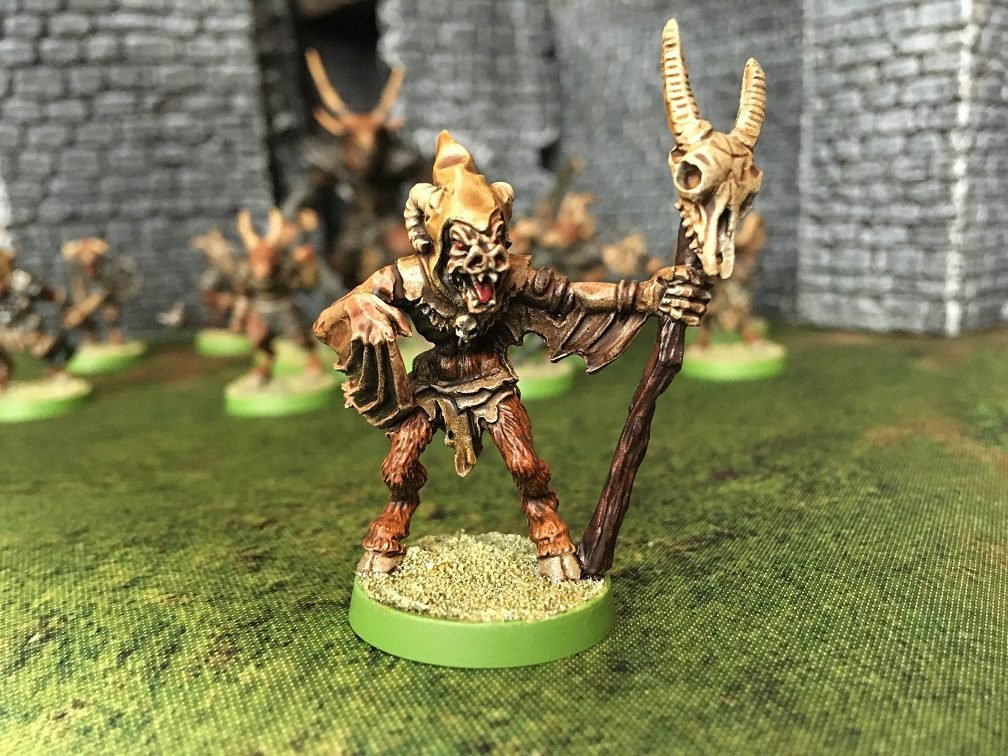
Spain-based Knightmare Miniatures are one of the best tributes to the Oldhammer era that you’re likely to find. I’ve built warbands of beastmen, goblins, and Chaos warriors from their excellent range. If you like to play any type of Chaos or greenskins then you’ll love a look through their catalogue.
Checkpoint Miniatures
Checkpoint Miniatures offer a lot of fun and genre variety in their range. They stock a multitude of scales from 6mm to 32mm, though it’s 28mm were most concerned with here. You’ll find Lovecraftian, steampunk, and retro-futurist miniatures on the Checkpoint site. I think they’re one of the best miniature companies for building Necromunda-style gangs.
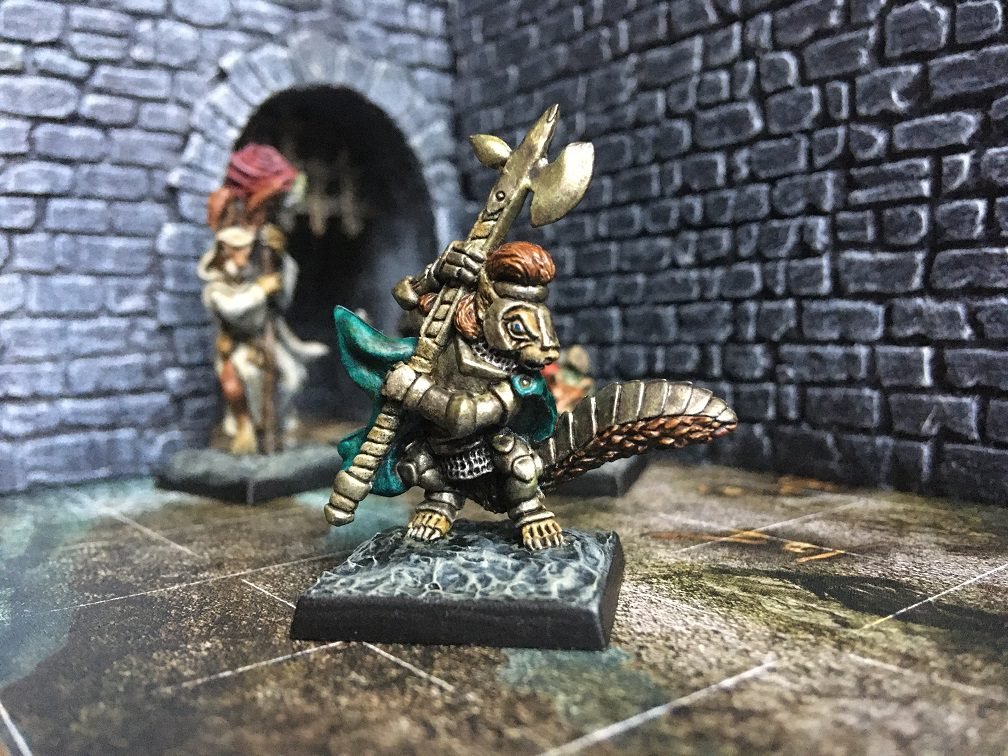
Oathsworn Miniatures are one of the most unique companies of its kind. They specialise in anthropomorphic animals, predominantly created for their signature game Burrows & Badgers. As I kid, I loved Brian Jacques’ Redwall Abbey books, and these miniatures rekindled something in me when I first came across them. A truly amazing-looking range.
Otherworld Miniatures
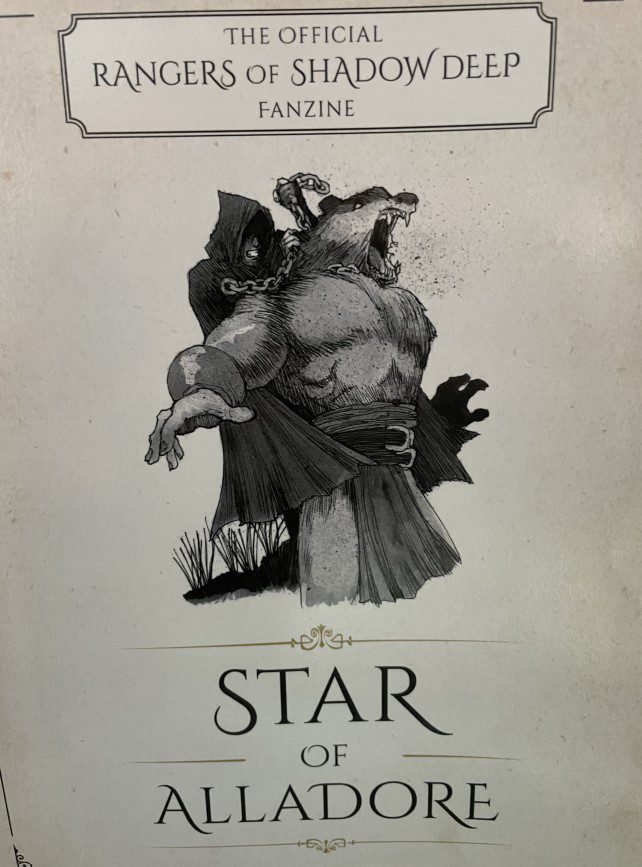
Otherworld Miniatures are another company I’ve spent a fair bit of money with. Though, admittedly, that has a lot to do with their weird way of calculating shipping costs. Still, don’t let that take away from their superb range of miniatures. In particular, they excel at undead and anything that looks like it lives in a dungeon. I’ve used them a lot for our games of Rangers of Shadow Deep.
Signum Games
As you might’ve gathered by now, I definitely favour a certain ‘oldhammer’ aesthetic that often comes in the form of single lumps of metal. However, my tastes have expanded over the last couple of years, and I’m not averse to buying and building the odd plastic or resin kit if the miniatures are appealing enough.
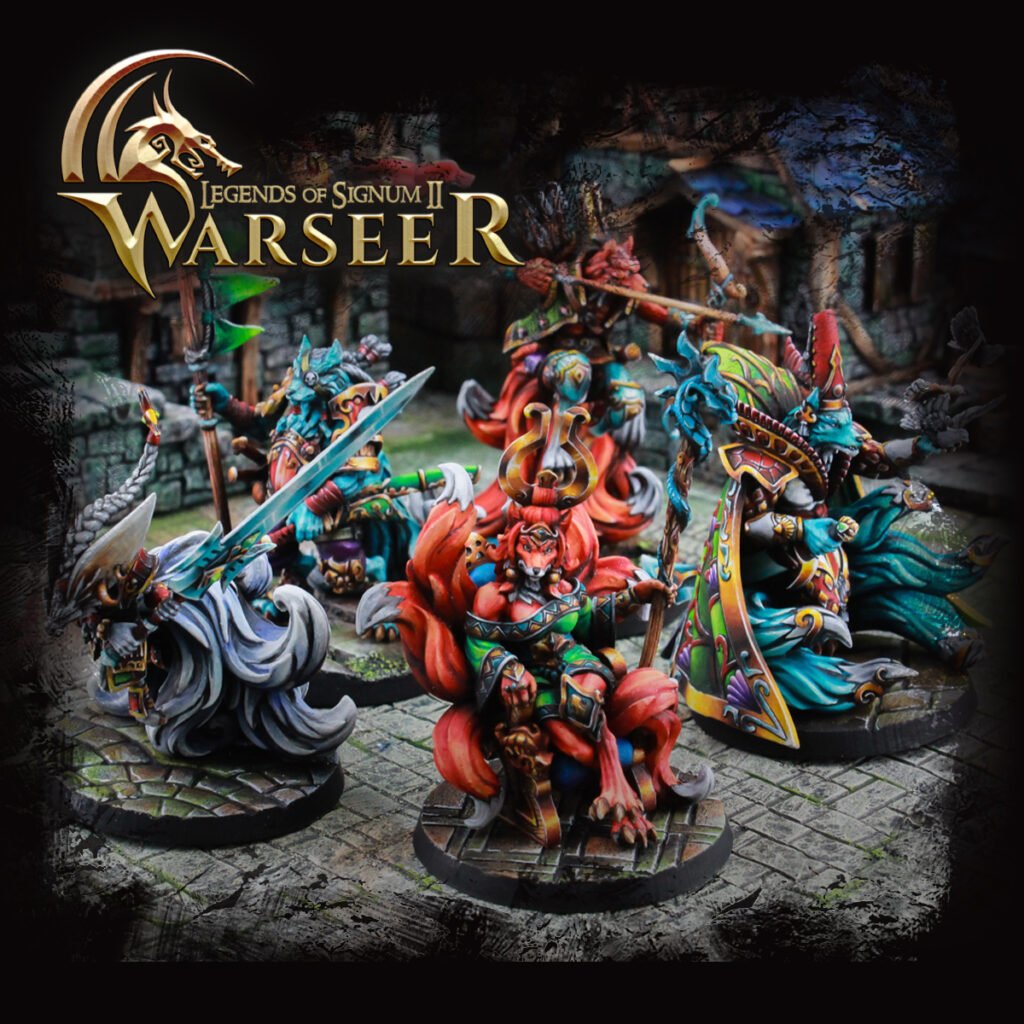
One company that’s fresh on my radar are Signum Games. Signum produces games such as Napoleonica, Warseer, and the upcoming Warp Dragon: Riders of the Void – a tactical sci-fantasy skirmish set in a grim universe, featuring incredible legendary knights and futuristic designs. As we’re talking miniatures, though, I’d encourage you to check out the fantastic and diverse range on their website. I’ve just spent 20 minutes browsing through their glorious Fantasy Commander range.
Best Miniature Company Alternatives
There are few things you can’t buy on Amazon, and miniatures are no exception. If you’re looking to beef up your armies without breaking the bank, or, would like some lower-cost minis to test out some new painting techniques, then check out some of these.
The following links are affiliates which means I’d earn a small commission should you decide to buy through them – never at any extra cost to yourself!
Etsy is also a popular marketplace for the miniature hobbyist, and you can find a lot of cool and interesting stuff on there. I’ve picked out a handful of miniatures that caught my eye recently.
So there you have it – six of my favourite miniature manufacturers at this moment in time, plus some budget bonus options.
And, if these have given you plenty of ideas for creating some new warbands or adventure parties, then be sure to check out our list of miniature agnostic games to use them with, too!
Unfortunately, after a positive start, we misinterpreted a vital rule and botched the entire thing. We were keeping investigation scores for each auxiliary companion as opposed to one single collective score. Now that we know what we did wrong, it makes perfect sense. It isn’t the clearest when you read it in the book, though, and we aren’t the brightest of chaps, so it was the perfect storm.
Lesson learned, though. We’ll definitely be arranging a rematch in the very near future.
We did get to fight some giant rats before it all went wrong.
As well as some giant flies.
But not really any wolves. This certainly never happened.
Nor did this.
Our auxiliary companions, Seb, Orla, Nicolan, and Covin. None of them were the werewolf, so in some ways, this game was a tremendous success.
The Manor House. Built with some kids wooden blocks, and furniture from Dungeon Saga.
Range-ers of Shadow Deep.
Dangers of Shadow Deep. We did get to fight and kill this werewolf. Eventually. Is it acceptable to skin it and wear its fur? Or would it turn back into mouldy human skin once the moon went away?
The brief was simple. Paint something that is (or looks) old, and give it a puerile name.
This was the first paint challenge run in the Bedroom Battlefields Discord Server, and it was a lot of fun. There was a good level of participation, a diverse range of models, and the quality of the brushwork was superb.
Here are the photos of everyone’s completed miniatures.
By LateNightPainting
“Here is my metal squig hopper painted up with the Richard Gray paint scheme. Funny faces on these old model, but man, the metal just doesn’t hold paint as well. I think that rattle can is the way to prime metal models. My airbrush primer just rubs off.”
Legend has it that the underground city once belonging to the dwarf lord Börll is guarded by a demonic knight, Baron Årsöl, who roams its empty dungeons and corridors howling in pain. Why he does this, nobody knows. But none who have ventured there have made it back alive to tell the tale.
“He is a Citadel C31 Balgorg sculpted by Trisha Morrison. I bought it second-hand from eBay then soaked it in Dettol for about a week.”
Ashat enjoys long walks through barren ash wastelands and swimming in molten lava lakes. If he had one wish, it would be for world peace, by killing and enslaving all living things. His favourite colour is black, and favourite food is grey wizards.
Ashat is currently single and concentrating on his career. He would one day like to find the right lady demon to share his massive pile of skulls.
“I painted the ork with Army Painter speed paints and starter set for the most part with one or two more paints mixed in. But with a zenithal priming base. As for where the miniature came from, it was made by Games Workshop and released in 97 for the Gorkamorka game.”
Neil Warlock
By the Author
“I bought this guy from Knightmare. He bears a striking resemblance to football manager Neil Warnock.”
“An old handgunner gifted by a friend some 20 years ago, and I kept his original colour scheme. Experimented with acrylic inks and highlights on the clothing, and kept to more familiar layered highlights and washes on the skin. A flocked green base in honour of Goblin Green battlefields everywhere.”
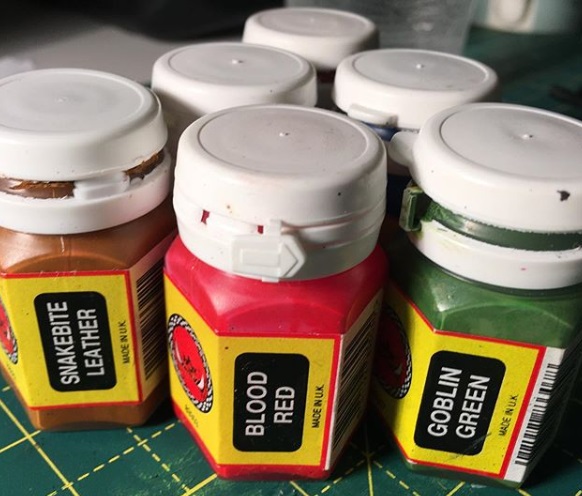
“I got this miniature in a lot with some 4th edition hobgoblins, and it took quite a while until I was able to identify it as a Hobgoblin rocket launcher crewman. I never intended to use it with my army, so I thought it would be fun to paint it up for this challenge. I found a photo of the original paintjob, so I tried to emulate that using my Nostalgia ’88 paints. I mainly used Orc Brown for the skin.”
When the hobgoblin artillery positions were surrounded during the battle of Scheissdorf in 2478, Zhug was ‘elected’ to negotiate with the humans. As he approached the enemy lines and was called upon to identify himself, Zhug promptly yelled “Zhug Ma’Dheek!” Unfortunately, the Imperial cavalry took this as an outrageous insult and charged…
Do you think we could kickstart a card game featuring these characters in time for Christmas?
Thanks for taking a look. And thanks to everyone who took part, too. It was a lot of fun.
We’ll be running the next painting challenge in December 2022, so be sure to join the discord if you’d like to get involved!
A long-awaited game of Blood Moon, the Rangers of Shadow Deep expansion is still on the cards.
One of the many things that have been holding us up has been a lack of the miniatures recommended to play the game.
Naturally, wolves and werewolves are part of those recommendations. I was able to pick everything here up from Otherworld, who are one of my favourite miniature companies.
The big guy is actually Grendel from the Beowulf saga, but I thought he’d work well as a werewolf.
Spectacular dioramas, beer, and just a teasing hint of nostalgia. My thoughts on a recent visit to Warhammer World.
Bumped into Horus and the Emperor at Warhammer World. I get the impression things aren’t great between them.
After a 20+ year break from the hobby, I decided to pick up a paintbrush again. I quickly discovered that there’s more to life than Games Workshop, though the company, their games, and their lore are still a massive part of my childhood.
Christmas day 1992, popping the Battlemasters sprues alongside my late brother.
My hobby journey started in the early 90s. Citadel Combat Cards, Battlemasters, HeroQuest, White Dwarf, Warhammer Fourth Edition, Epic Space Marine, and Warhammer 40k Second Edition. Like most other kids growing up with this stuff, I lost interest in my early teens. And just like many others, I came back into it again as a “grown-up”.
30 years later, outside the home of Games Workshop
I’ll admit that the modern Games Workshop stuff doesn’t appeal to me very much. I miss the old colourful and fun aesthetics. But, I know that things change and move on. You can’t argue with the company’s size, success, and the mark they’ve made.
So even though I’m unlikely ever to play a game of Age of Sigmar, or buy any new miniature from GW, I still jumped at the chance to visit Warhammer World when the opportunity arose.
Visiting Warhammer World
I knew very little about Warhammer World beforehand, so wasn’t sure what to expect. The building is split into different areas, you have the exhibition, the shop, the gaming area, and Bugman’s Bar for your refreshment needs.
My main aims here were to see the exhibition and to get a couple of pints. I still had a wee look around the gaming area though, and it had some pretty impressive tables.
Tickets to the exhibition were a very reasonable £7.50, and you could go round it as many times as you wanted.
It’s a place packed with vast, world-class dioramas. Seriously impressive stuff on that front. There was the odd classic on show, too. Mike McVey’s Emperor Vs Horus from 1994, and John Blanche’s 1982 masterpiece March of the Undead.
My one small gripe (if you could call it that) was that I was hoping for more of a museum or “through the ages” experience. There were some great wee 80s and 90s bits and pieces here and there, but they can get lost amongst the epic sprawling warzones of the modern era. It’s almost as if the company want to pull you back to the present day as quickly and as regularly as possible. I suppose that is how they make their money, after all.
In any case, this didn’t spoil my experience, and I had a great time. We finished up with a few beers, a walk around the shop, and then back off to Nottingham town centre via the excellent Ye Olde Trip to Jerusalem (England’s oldest Inn, apparently!).