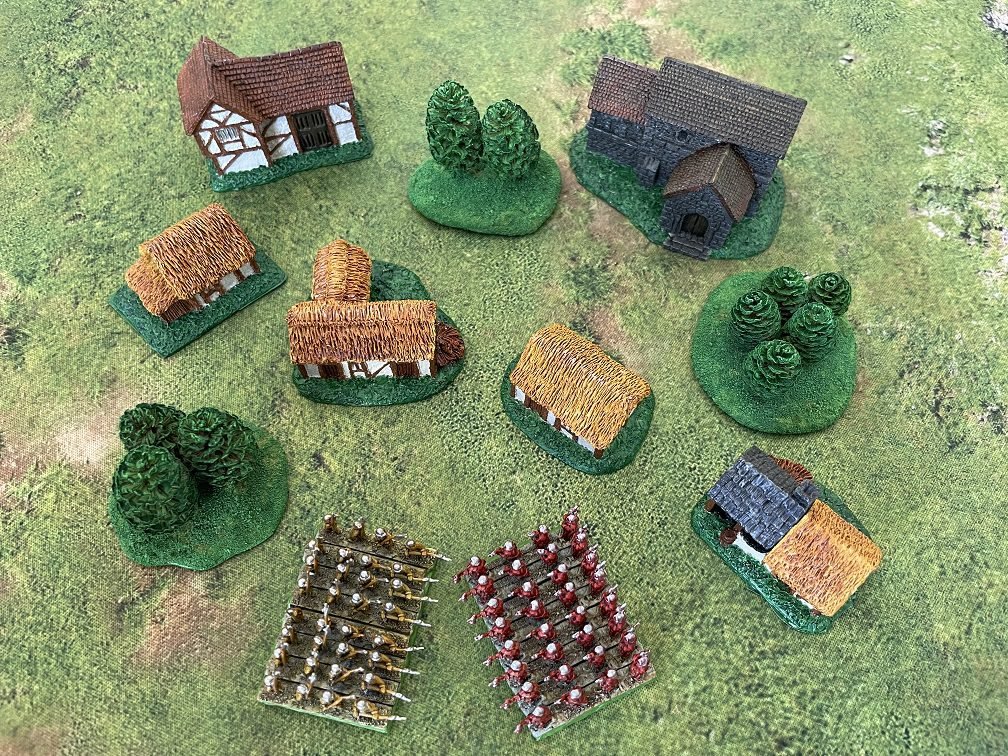
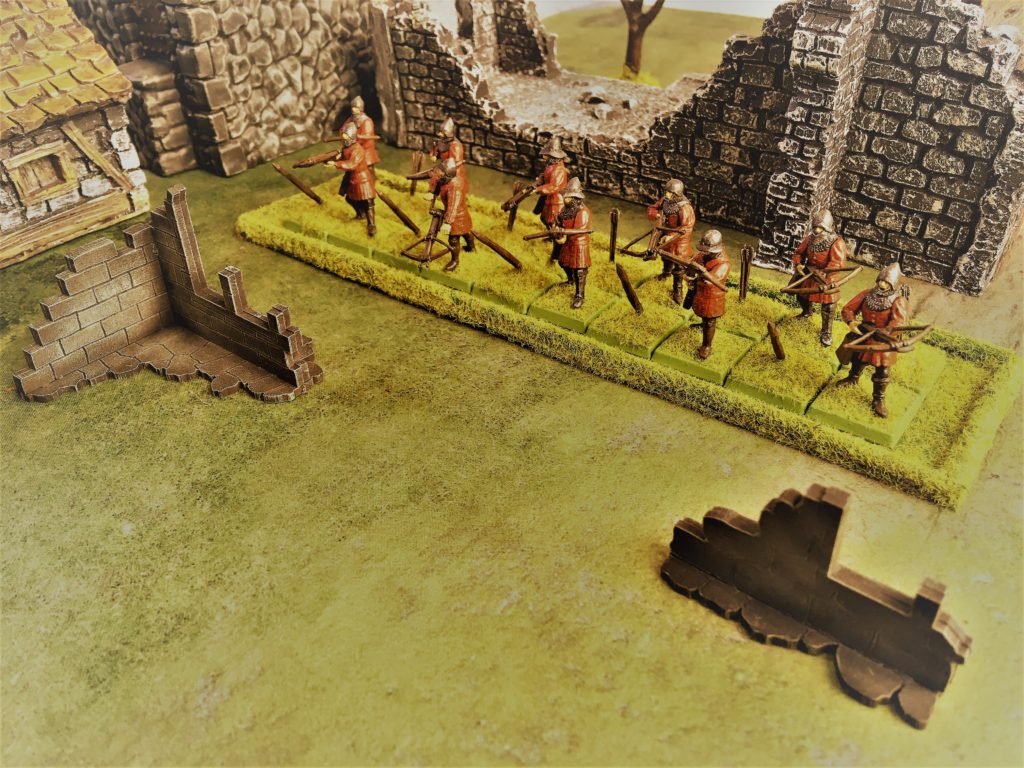
On this episode of the Tabletop Miniature Hobby Podcast, we’re exploring the world of wargaming in the 6mm scale. This is a great conversation highlighting the many joys of six. Peter is keen to point out that this isn’t a case of one scale OR another (most of us love 28mm first and foremost, after all), but using the right tool for the right job.
It almost goes without saying, but, the smaller the scale of your troops, the bigger a battle you can have. I’ll bet many listeners to this show will have first-hand experience of that, too. Do you remember navigating multi-based squads of Eldar and Orks through the cardboard skyscrapers of Space Marine in your youth?
There are other practical appeals of 6mm. You can buy an entire army for less than £50, paint it up in a day or two, and store it in a shoebox. People might find the thought of painting these miniatures intimidating but as Peter advises, you should try to “paint the unit, not the man”. He has some painting guides on the Baccus 6mm website, too.
Also on this episode
We talk about the solo and co-op game that is Pony Wars.
6mm is popular with historical wargamers, but Perfect Six, Microworld, and Rapier have great fantasy ranges.
The Joys of Six is a 6mm wargaming event that takes place in Sheffield each summer.
Oh and I talk about the worst Patreon campaign in podcasting, too. This won’t be used to improve the show, nor will it include any rewards. Don’t worry though, I won’t bang on about it all the time, either 😉
We all try our best to look after our brushes, our paints, and our miniatures. But what about ourselves?
Though talking about health in the hobby might not seem as interesting and escapist as chatting Chaos Dwarves and Snotling Pump Waggons, it’s something that we ignore at our peril. There are a few reasons why we’re going to cover it in this 2-part episode.
This is a sedentary hobby where we remain in the same position for long periods of time – and indoors, too.
Most of us have also been stuck working from home these past two years.
The beginning of a new year often gets us thinking about our physical and mental health, and, at least toying with the idea of making improvements.
So I’m joined by Dan of the Paint All The Minis Podcast. Dan is as heroic-looking as a modern-day GW sculpt. He wouldn’t look out of place on the cover of Men’s Health magazine, and he’s here to lecture you and make you feel bad about yourself.
Dan, just out of the shower
I’m being tongue-in-cheek of course. This definitely isn’t a lecture, a “how-to”, or an exercise in body shaming. It’s merely a chat where we talk about the health-based things that have worked for us (or haven’t!) over the years.
The aim is simply to get you thinking about your own health in the hobby. Either to start exploring avenues of improvements you might be able to make. Or, to laugh heartily at two puny weaklings attempting to talk about things like weights and fitness.
Because we are far from experts in these fields, and absolutely none of this is “advice”, we’re linking to some handy follow-up resources too. Always do your own research, and don’t take our word for anything we say here.
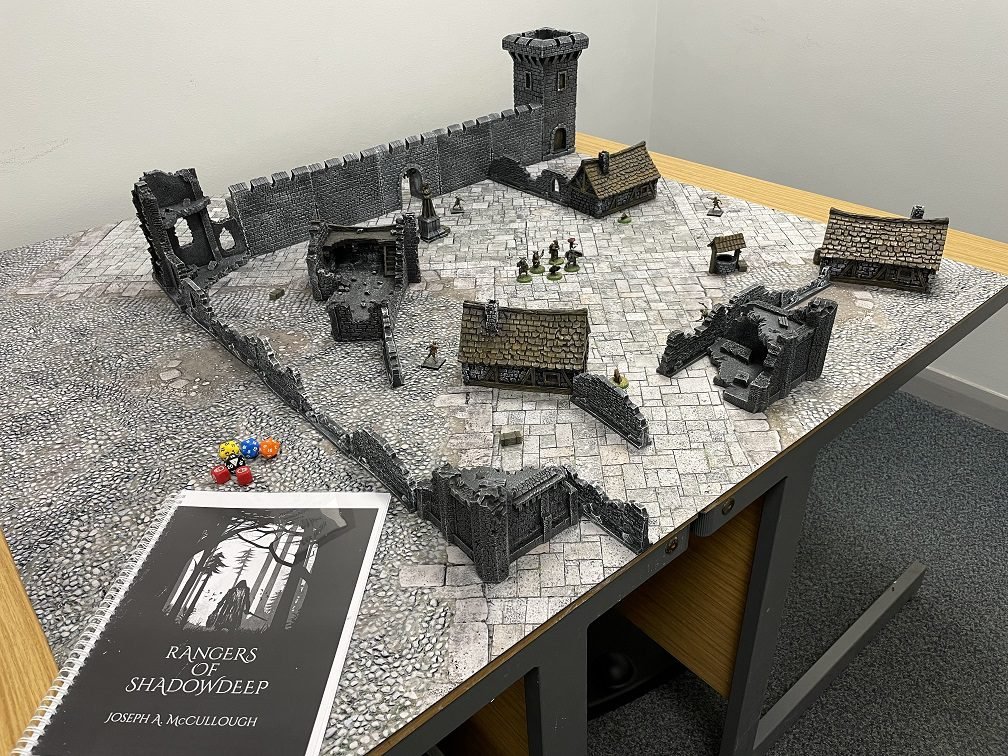
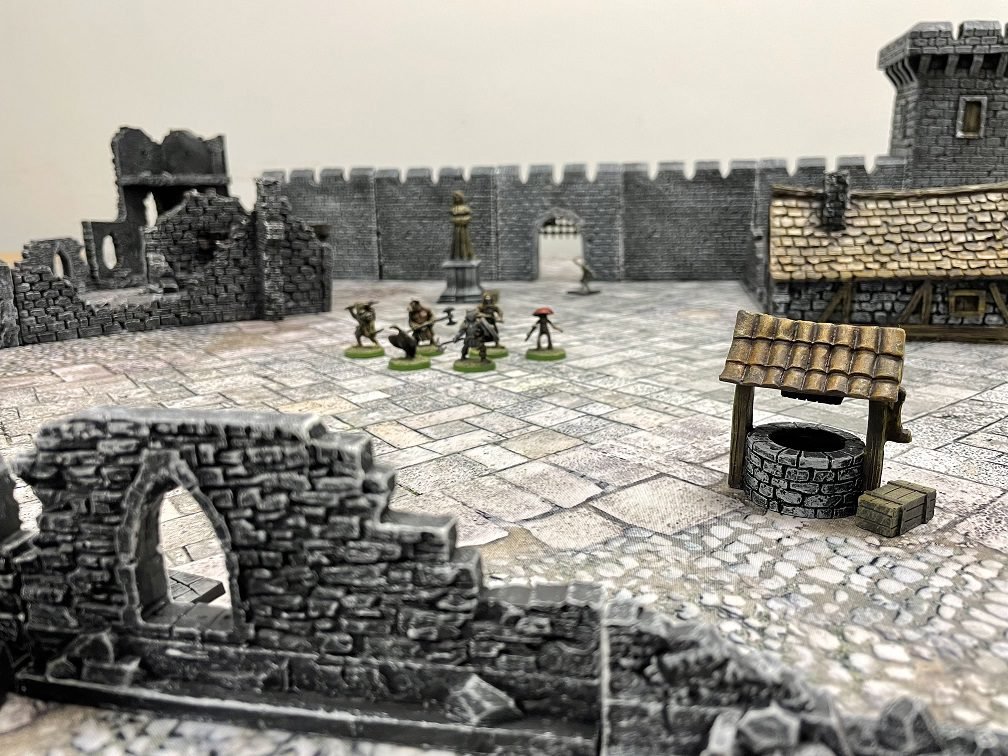
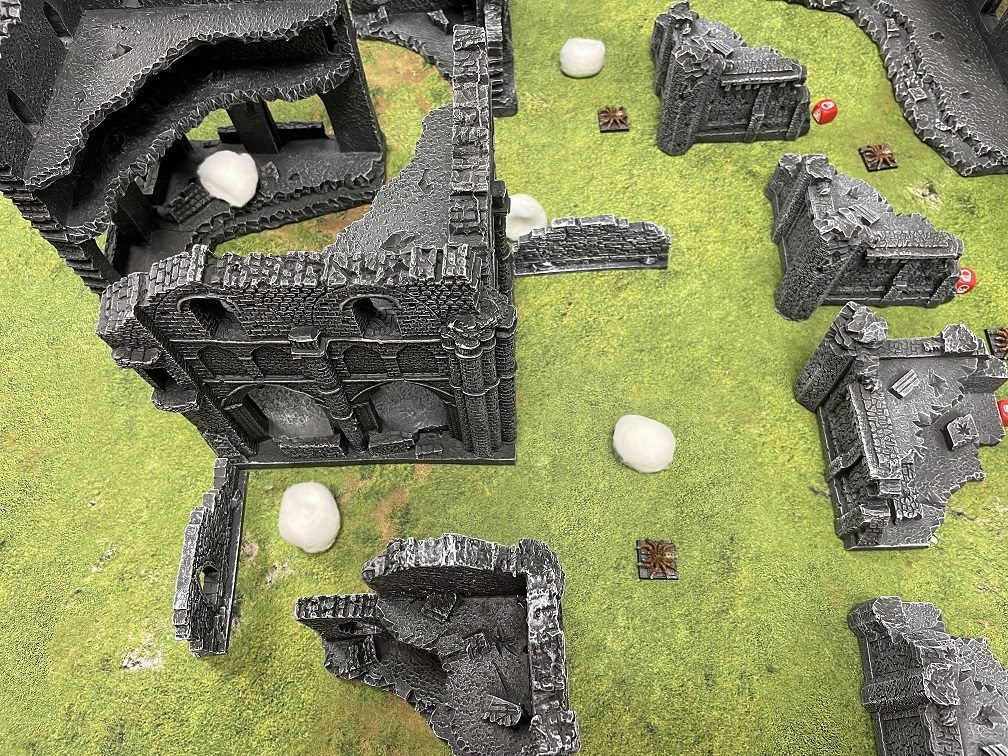
On a recent episode of the Tabletop Miniature Hobby Podcast, we took a look through the rulebook of Rangers of Shadow Deep. Now it was time to get the table set up and test it out for ourselves. In this episode, we talk through our experience of the deserted village scenario.
RoSD is a popular and exciting solo/cooperative game. There’s a lot of adventuring to be done with the core rulebook containing more than a few missions and scenarios. On top of that, there are various expansions available too which build out the story world and develop your rangers.
That said, we thought we’d start at the start, and that was a scenario that tasked us to venture out and look for one of our companions, a chap by the name of Aventine.
Aventine has been missing for a few days, and on top of that, there have been reports of an attack on a nearby village. It’s up to our party to take a look around and get to the bottom of things.
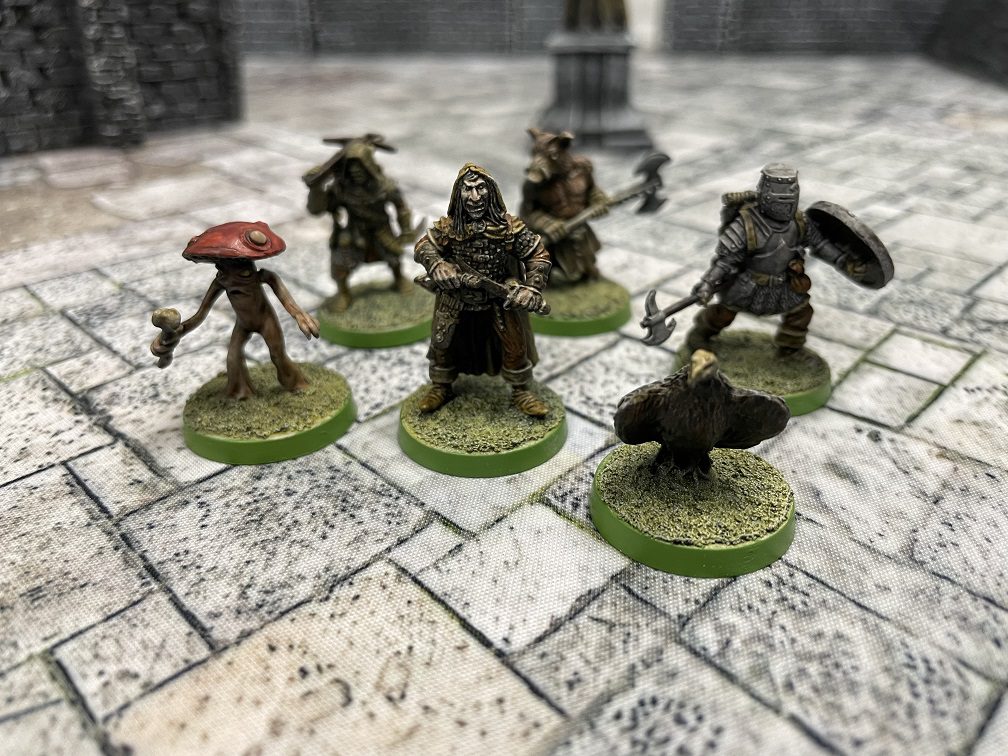
Our party are, admittedly, a bit of a gang of misfits. Hardly the noblest looking of bunches.
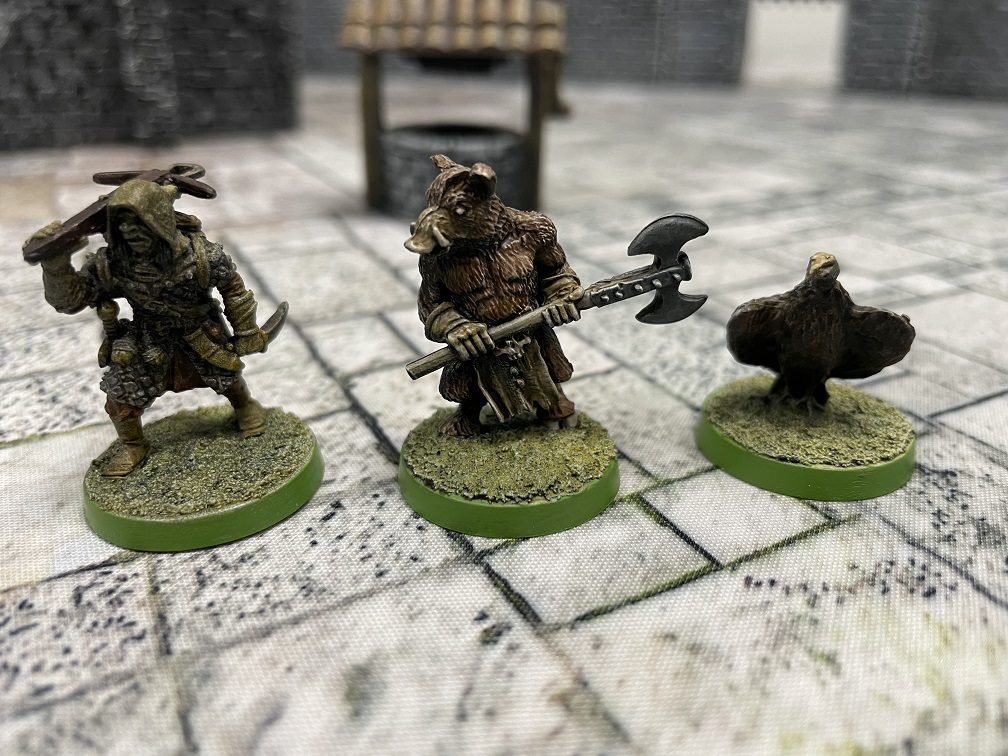
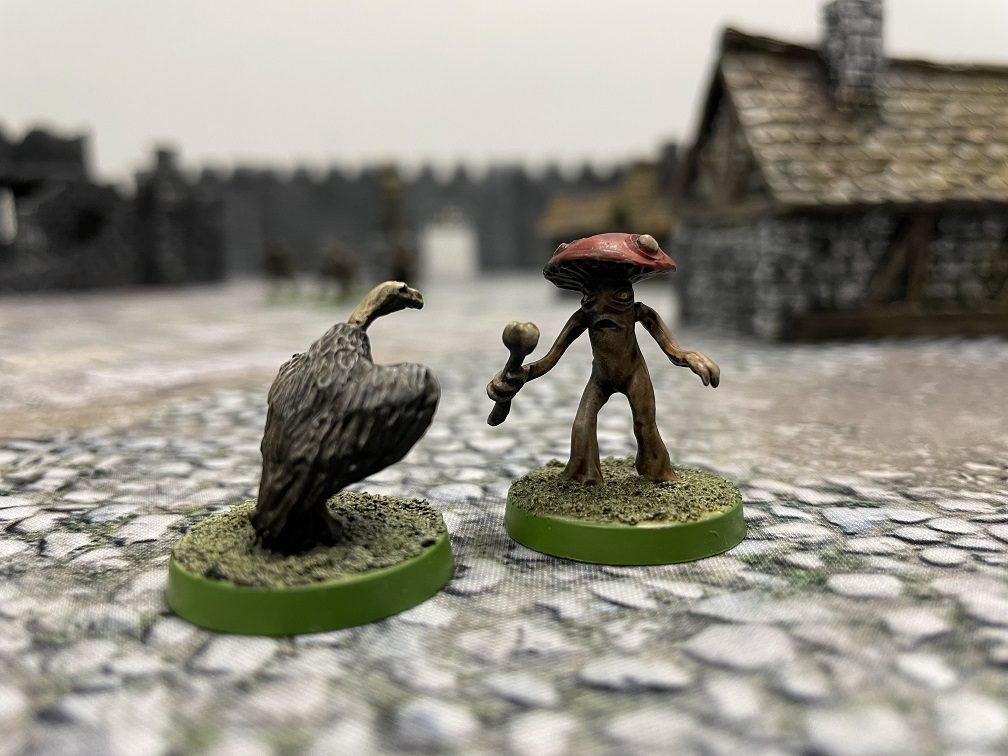
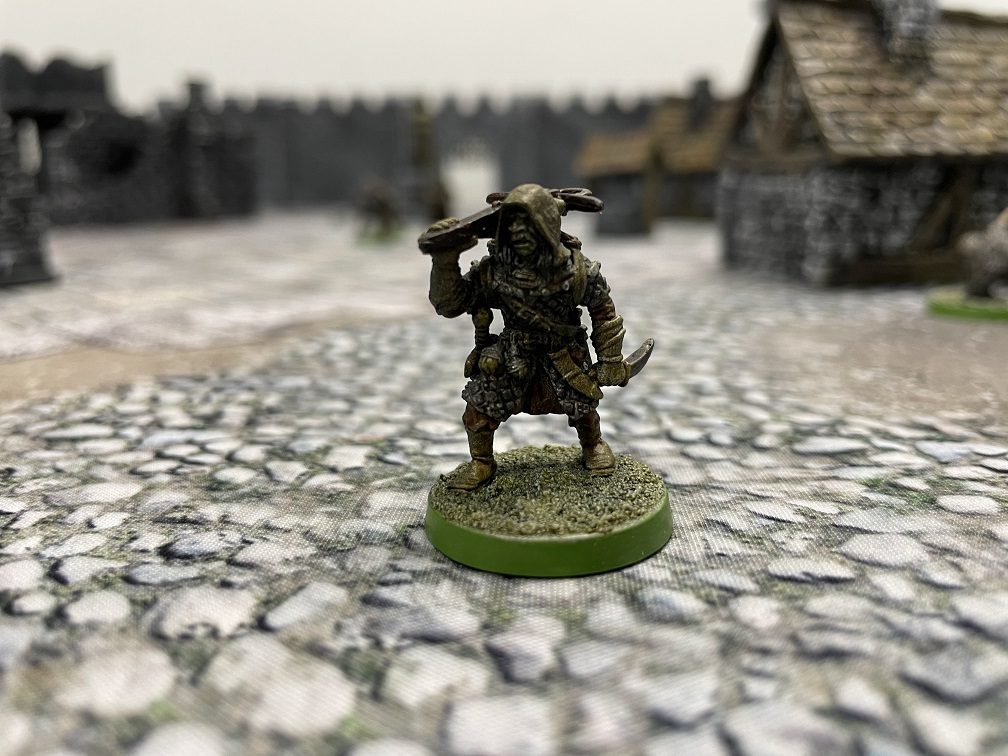
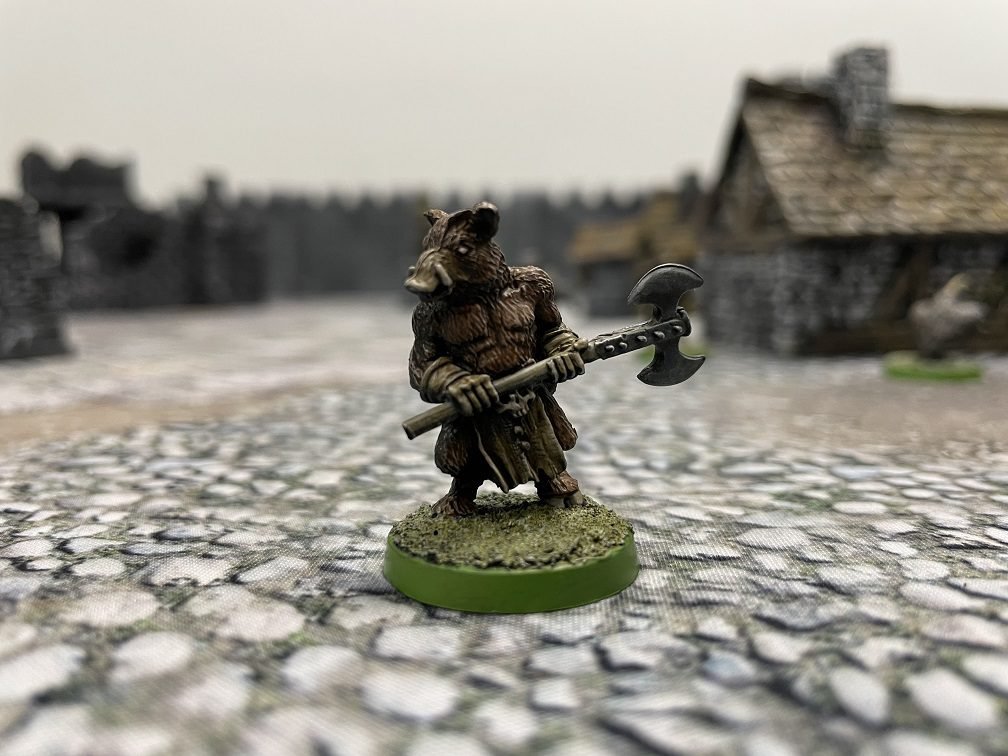
Ranger Harald Half-Orc (right), backed up by Boarus the “Boarbarian”, and Vinny the Vulture. These guys came from Otherworld, Midlam, and North Star, respectively.
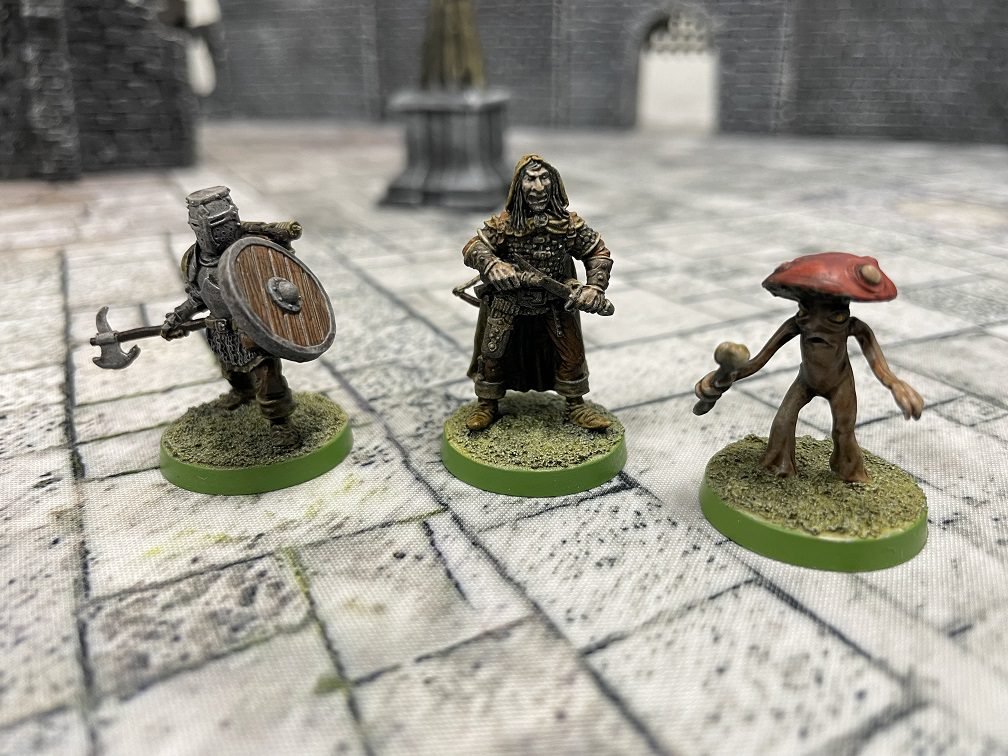
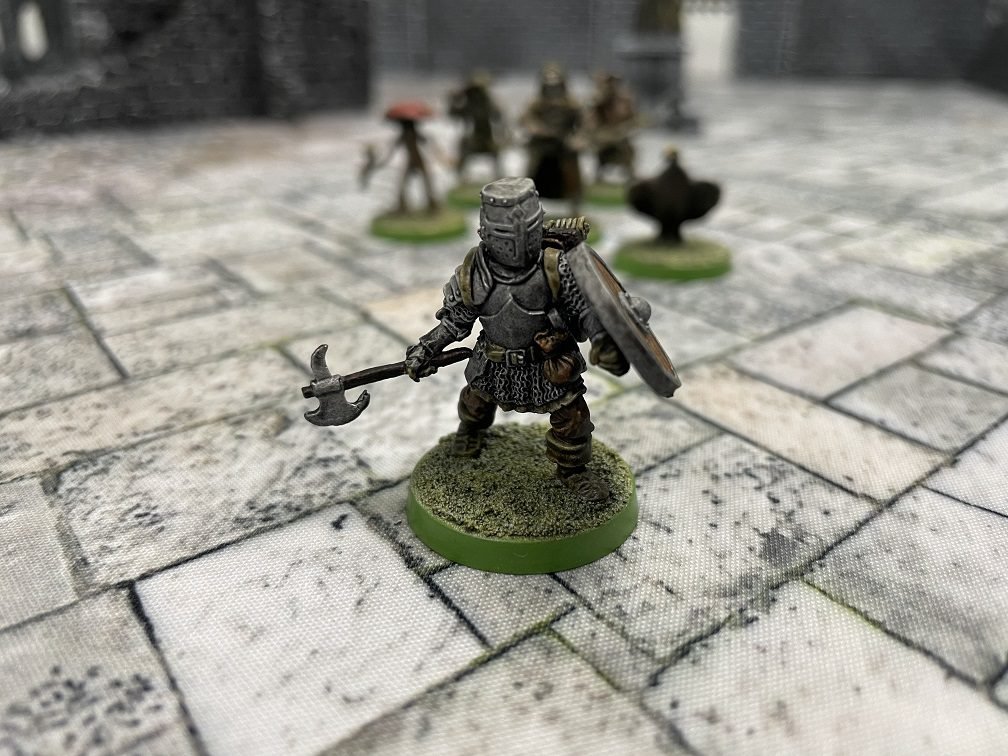
Ranger Grubb (centre) flanked by Count Gunther and Fun Gus. The wee mushie man came from CP Models, whilst the other two were bought from Otherworld Miniatures.
“Count” Gunther. Probably not a real Count. Just a brutal thug in some plate armour. Or, potentially, disgraced nobility. But who’s going to ask?
“You might’ve lost your kettle, Vinny, but you’re still making the tea. Hey? What? That’s why they call me Fun Gus!”
Ranger Harald Half-Orc looking “pleased”.
Boarus the “Boarbarian”, ex-slave and arena combatant. Now, hired muscle.
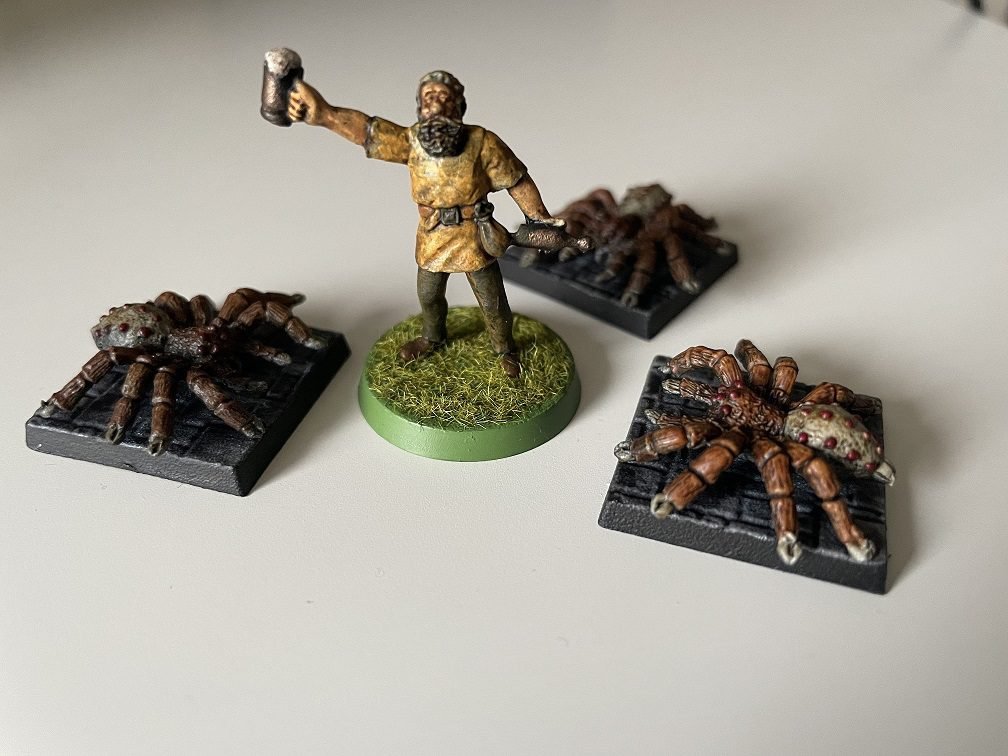
What will become of this partygoing villager if we take him along in the next scenario?
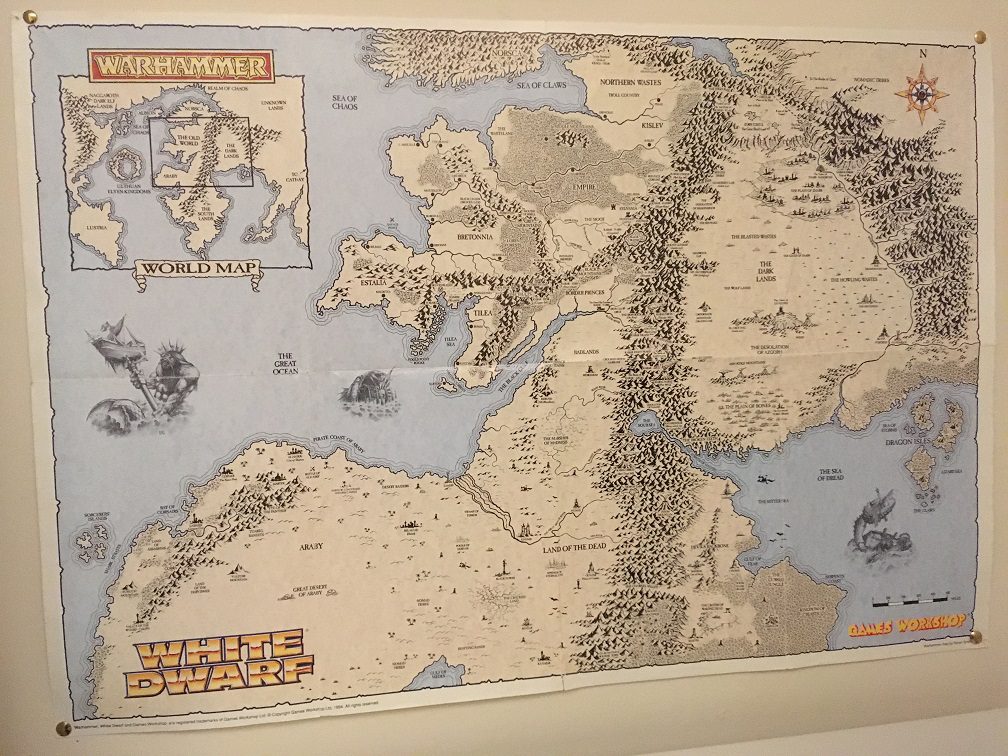
Warhammer: The Old World is coming. We don’t know when. But Games Workshop has assured us that it’s on the way.
“Where we’re going, Marty, we don’t need round bases…”
The sandbox that many of us grew up with and immersed ourselves in was “blown up” by GW back in 2015. They replaced it with Warhammer Age of Sigmar which has struggled to appeal to many of the veteran wargamers and Old World enthusiasts.
It seems like a lifetime ago that this announcement was made. Back in November 2019, details were extremely vague. Naturally, this led to waves of speculation. A number of predictions were made by the hobby community, including the claim that Warhammer: The Old World wouldn’t even be in the 28mm scale of its predecessor.
It took Games Workshop a couple of years to come out and clarify a few key details about the game. The company assured fans that it would take on all the best aspects of the classic Warhammer Fantasy editions and that old miniatures and armies could be dusted down and redeployed on the field of battle.
With that all said, there’s still a huge lack of information or hype coming out of Games Workshop about Warhammer: The Old World. This has led to feelings of frustration, annoyance, and even disillusionment amongst the community.
Setting the Old World to Rights
So what can we do about it? To be honest, not a lot. Warhammer: The Old World is very much in the lap of the Dark Gods, and I suppose what will be will be.
One of the few things we can do, however, is talk. And what better person to talk to on this episode of the Tabletop Miniature Hobby Podcast than Nathan Stone from the Wargames Orchard?
Nathan was the very first guest on this show back in August 2021 when we discussed Herohammer and shopping in a mid-90s Games Workshop store. He knows his Old World onions and has a lot of thoughts and opinions about this brand new Warhammer game.
In this conversation, I take the liberty of appointing Nathan as Grand Overlord of the entire project. He explains why he feels Warhammer: The Old World needs to be “immersive, accessible, and authentic”. On top of that, he makes the case for the return of boxes of monopose “unit filler” miniatures and gets absolutely no disagreement from me on that front.
Also mentioned on this episode: Please spare a couple of minutes to take the tabletop miniature hobbyist survey. I’d massively appreciate it.
One game we didn’t spend much time talking about on that episode was Rangers of Shadow Deep. Fear not though, because we give it our full and undivided attention this time around. I’m joined once again by Robert who helped me talk through the Song of Blades & Heroes rulebook on a previous episode.
Firstly, we delve into the lore and fluff of Rangers of Shadow Deep. Like any of Joe McCullough’s games, there is a loose setting, but no attempt to micro-manage the story world. A lot is left up to your own imagination, creativity, and miniature collection.
Then we take a look at the turn sequence, before moving on to the ins and outs of creating your Ranger. This is the character that represents you on the tabletop, and there are many ways to customise them via their stats, skills, heroic abilities, weapons and equipment, and range of spells.
Your Ranger doesn’t need to venture into the Shadow Deep alone either. You’ll find a list of potential companions who can join you on your quests and missions. These range from naive recruits and enthusiastic hounds, to ferocious barbarians, knights, and templars.
Next, we have a peek at the opening scenario in Rangers of Shadow Deep. “Deserted Village” sees us investigating the disappearance of one of our comrades. Do we find him alive, or are we confronted with a gang of zombies, rats, and giant spiders instead? You’ll need to pick up the game and find out for yourself!
Rangers of Shadow Deep is a miniature agnostic system that lets you use whatever you own (or would like to own). That said, there’s a great “official” range of miniatures available from North Star Military Figures.
You can also find gnolls and other fantasy creatures at CP Models. Another of my favourite miniature companies, Midlam, have some great options for Rangers (as well as pretty much anything else in the game).
Playing Through the Scenarios
Rangers of Shadow Deep: The Deserted Village
The first scenario tasked us to venture out and look for one of our companions, a chap called Aventine.
Aventine has been missing for a few days, and on top of that, there have been reports of an attack on a nearby village. It’s up to our party to take a look around and get to the bottom of things.
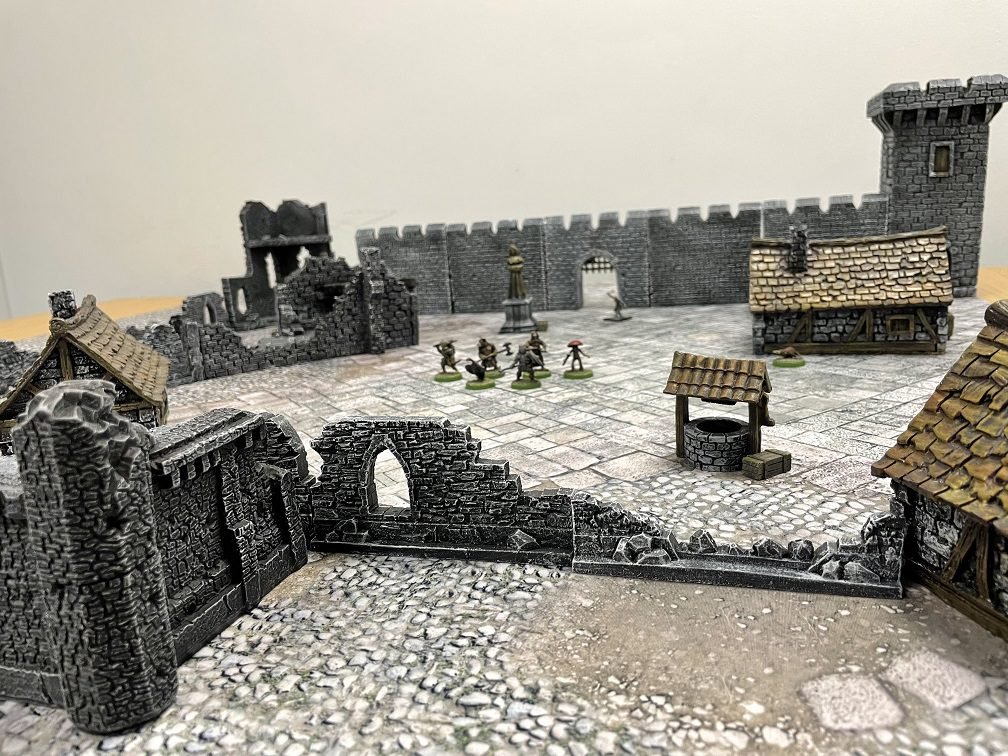
It was time to take on the next one – The Infected Trees. Except I’ve actually no tree terrain in my collection, so let’s just go with “infected ruins” instead!
Onwards to Mission Two (The Beacon Tower) with its first scenario, The Bridge Guards. Here, we see the introduction of the Gnolls, and those were a mixture of beastmen and goblins on our tabletop.
Song of Blades and Heroes is a cult classic miniature agnostic fantasy skirmish ruleset. It’s an incredibly simple game to pick and up learn, with a low barrier to entry (you only need a handful of miniatures). Despite its simplicity though it isn’t a game that quickly feels limiting or boring. There’s a lot you can do with it, from the varied warbands you can build to the scenarios and campaigns you can play through.
On this episode of the Tabletop Miniature Hobby Podcast, we take a deep dive into the Song of Blades and Heroes rules. We talk through the Quality and Combat stats, before covering all the core mechanics around moving, fighting, shooting, magic, and, of course, running away.
Games typically last 30-45 minutes and there’s no bookkeeping either. This makes SBH a great game for beginners to start having fun with right away.
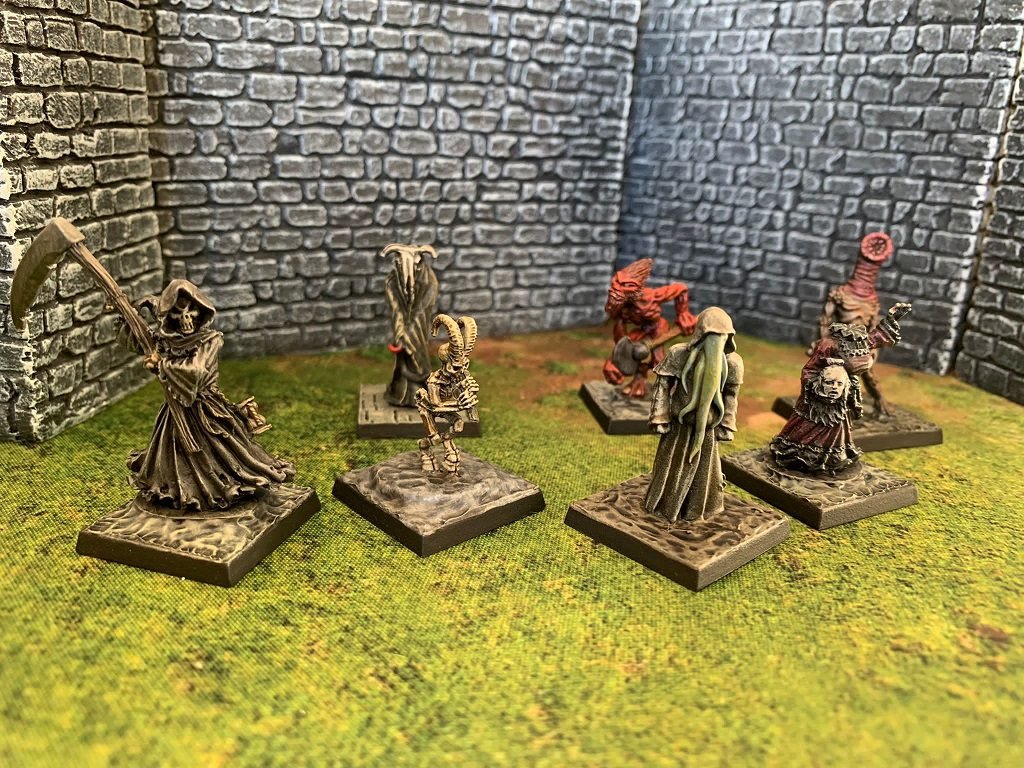
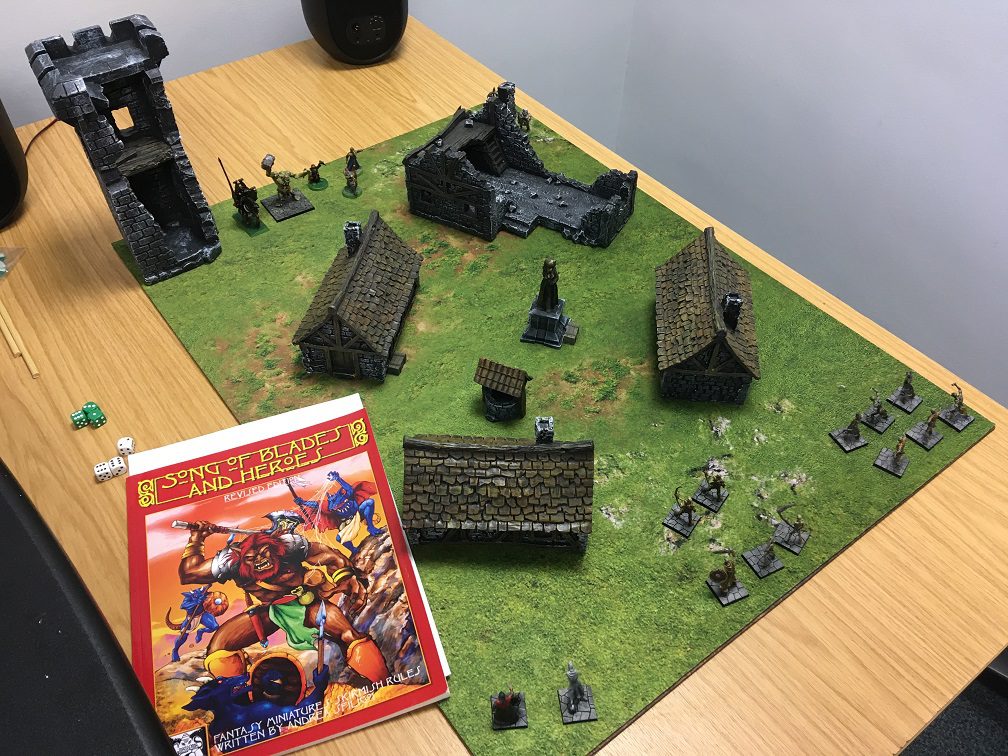
We talk a bit about a game we played recently (pictured above) where a classic Chaos alliance (the Oldhammer type where Orcs and Goblins got in on the act) took on an undead “force”. The undead were actually far from what you might call a force and generally hung about in their deployment zone doing not very much at all. In any case, it was a fun afternoon and lessons were learned.
In our next game of Song of Blades and Heroes, we’ll be finding out if one Ancient Dragon can come out on top against 85 zombies. The answer is probably yes.
The Ninth Age is a mass fantasy battle miniature game designed and maintained by teams of collaborators across the globe. One of those collaborators is Rik Newman who joins us on this episode of the Tabletop Miniature Hobby Podcast.
Rik comes to the show with a background that many will relate to. He grew up with the hobby in the 80s and 90s, only to fall away from it before returning later on in adult life.
Here, we talk about that return to the hobby, his initial thoughts about how gaming and miniatures had changed, and the omnipresent question of “what did they do to Warhammer Fantasy Battles?”.
It wasn’t long before Rik found himself discovering, drawn towards, and then involved in The Ninth Age. This was a game that was undoubtedly born out of the ashes of WFB, but it has since grown into its own independent entity with its own lore.
The Ninth Age has a certain ethos about it. It’s designed with balance in mind, and caters to “slow hobbyists” who want to collect armies over a long period of time, rather than quickly putting together the latest greatest list in order to win a few games.
With this slower approach, hobbyists can immerse themselves in the background and lore of a particular faction, exploring all of its avenues and possibilities.
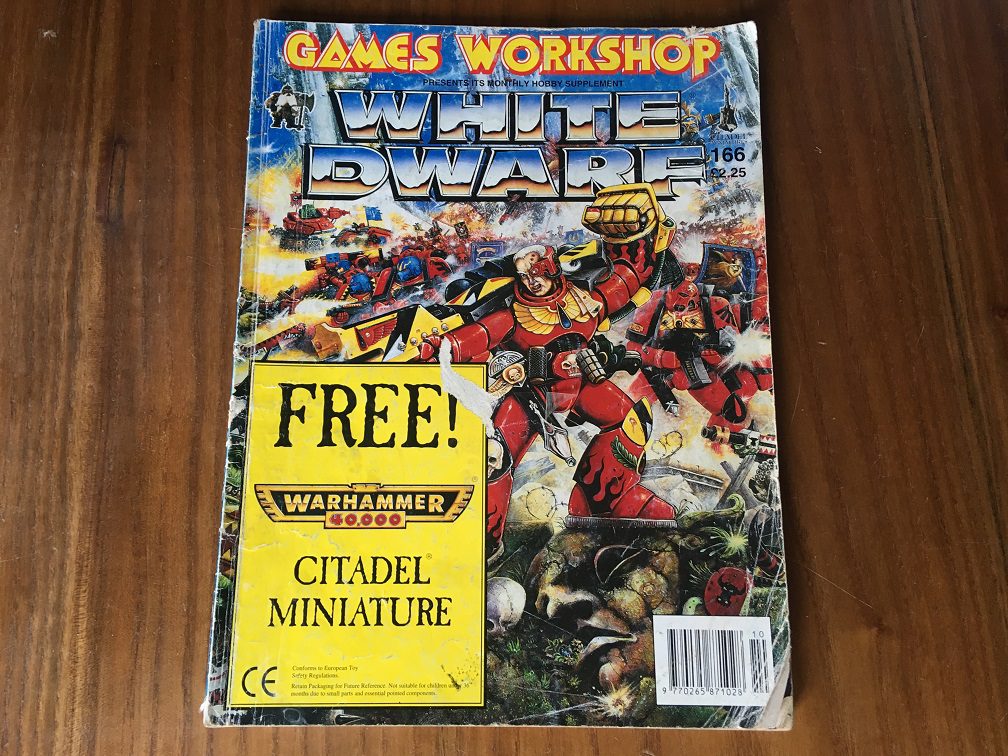
I fancied a nostalgic trip through the pages of my first ever copy of White Dwarf, and who better to enlist for assistance on this journey than Josh from The Crown of Command Podcast.
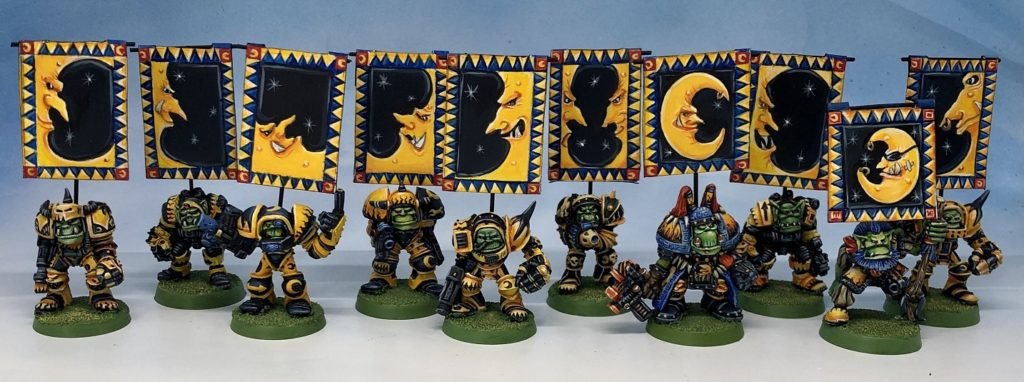
The Crown of Command is a popular podcast dedicated to the games produced by Games Workshop during the 1990’s, and Josh himself is a former ‘Eavy Metal painter.
Josh’s stunning Ork crew
Josh also runs a fantastic Youtube channel where you’ll find all sorts of Herohammer content. There’s battle reports of all your favourite games (from Epic Space Marine to Man O War), interviews with cool and interesting people, painting tutorials, and readthroughs of classic Citadel Miniatures catalogues.
In this episode of the Tabletop Miniature Hobby Podcast, we’re taking a wander through White Dwarf issue 166, from October 1993. The magazine cost £2.25 and came with a free plastic Space Marine. This was to celebrate and promote the release of the brand new Warhammer 40,000 2nd edition.
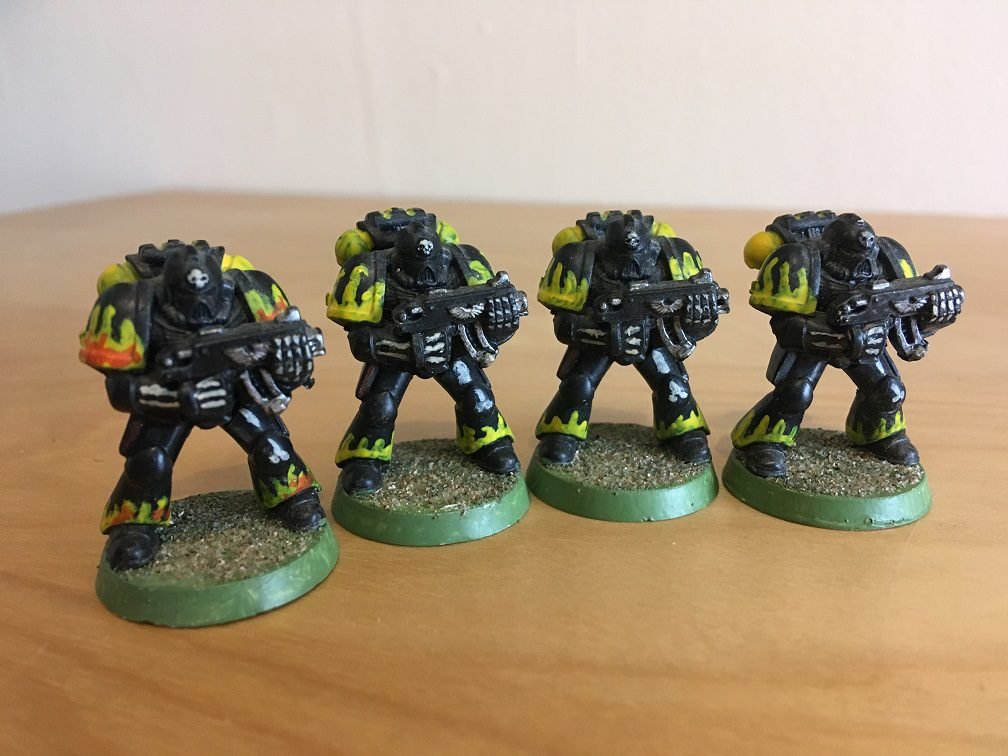
My ‘Legion of the Damned’ attempts from the mid-90s
There’s a lot of classic material in the pages of this magazine, and you can view the entire thing in glorious PDF form right here. There’s one of those prize winner features with some smug kid sitting in £500,000s worth of boxed sets, a load of John Blanche sketches, and some 25% money off tokens for Games Workshop in Shrewsbury.
On top of that, we muse over what happened to Space Marine legions like the Whitescars, Silver Skulls, Iron Hands, and Mentor Legion, as well as what exactly was on that Snotling’s plans in the catalogue pages.
The term “Oldhammer” means different things to different people. On this episode of theTabletop Miniature Hobby Podcast, we’re in conversation with Garth James, who’s one of the organisers behind the annual Bring Out Your Lead event.
Bring Out Your Lead
Founded in 2013, the latest Bring Out Your Lead gathering took place in early October 2021 after taking an enforced year out in 2020, just like the rest of the world. One of the many great things about this event is its venue. BOYL is hosted by Foundry Miniatures – a company whose roots can be traced all the way back to the origins of Citadel Miniatures.
Garth is keen to point out that Bring Out Your Lead is not a tournament. Rather, he likens it to a classic car meetup. In these types of meets, people will admire and drive the cars, but they won’t necessarily race them.
“I think one thing that’s fairly constant in anyone’s Oldhammer, is the desire for narrative.”
Going back to the question of “what is Oldhammer?”, Garth feels this is purely down to each individual. Oldhammer may be seen as the nostalgic period where a person found and fell in love with the hobby. The ethos of Bring Out Your Lead seems to encapsulate this and doesn’t try to dictate what “is” and “isn’t” Oldhammer to anyone.
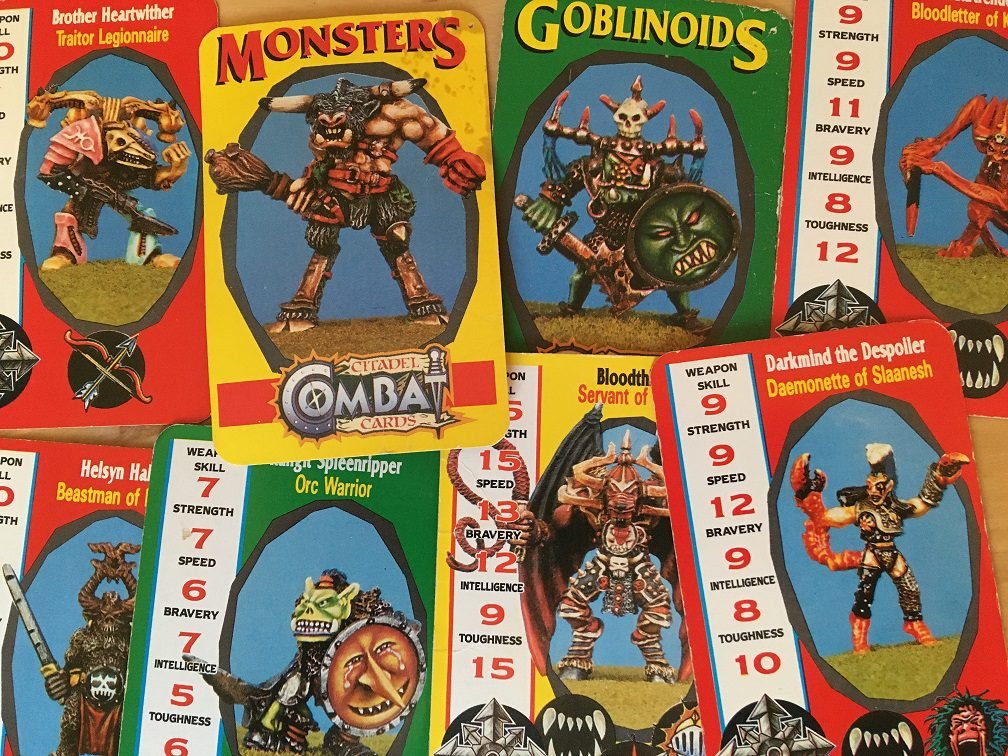
Elsewhere in the episode, we touched on Citadel Combat Cards, the aesthetic of monopose miniatures, modern Oldhammer miniature companies, and using contrast paints on old models. There’s also some serious discussion over which vehicle from the Warhammer Old World would make the best car, and which creature the best pet.
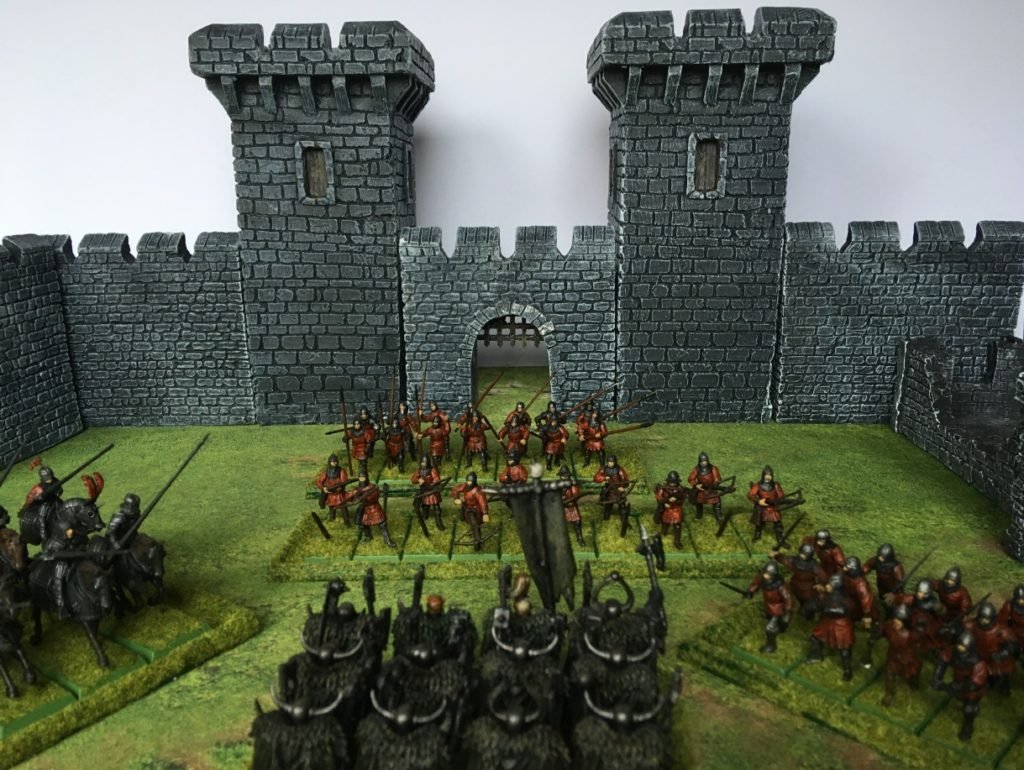
Big units of troops marching across a scenery packed 6 by 4 table – there’s no aesthetic quite like it. For most of us growing up, there was only one option when it came to fighting out mass fantasy battles and that was Warhammer. And whilst the Old World is returning at some point in the future, there really is no need to hang around waiting on that day, whenever it might be. There are plenty of good Warhammer alternatives you can pick up and start playing today.
Warhammer Alternatives
Heads up! I’ve included some affiliate links when linking to certain games here. This enables the site to earn a small commission should you choose to buy through them, though at no extra cost to yourself 😀
For starters, there’s absolutely nothing to stop you from playing whatever edition of the game you own or liked the best. There are also projects like The 9th Age and Warhammer Orchard Edition which remain lovingly supported by their own respected communities.
Then there’s Kings of War by Mantic games. This is perhaps the most famous and popular of the Warhammer alternatives out there on the market today. You can use your old and existing miniatures to play this game, or buy from Mantic’s ever-increasing range of original units and figures.
A lesser-known (but still definitely worth checking out) game is Mayhem by award-winning game designer Brent Spivey. Brent is known for a popular sci-fi skirmish game called Rogue Planet. Mayhem is his mass fantasy battles contribution and lends itself particularly well to dropping down to 10mm or even 6mm scale wargaming.
Warpack – A Diceless Mass Fantasy Battle Game
On this episode, we’re adding another option to the ever-growing list of Warhammer alternatives. It’s called Warpack, and we’re going to hear all about it from the game’s creator, Joe Prince of Prince of Darkness Games.
Here, we’ll learn about the game’s mechanics and structure. This includes its use of a deck of playing cards rather than dice to work our way through the tactics and turns. We’ll also find out a bit about the motivations and inspirations that lead Joe to create Warpack, and, naturally, we’ll chat a bit about Games Workshop.